QUICK READ
Cartilage damage is one of the most frustrating sports injuries — not because it is rare, but because cartilage cannot repair itself the way bone or muscle can. If you have been dealing with persistent knee pain, swelling after training, or that unsettling grinding sensation in a joint, this blog is written for you.
Inside: what cartilage damage really is, why leaving it untreated carries real long-term consequences, and how a treatment called BMAC (Bone Marrow Aspirate Concentrate) therapy may offer a minimally invasive option before more extensive surgery becomes necessary.
Dr Yong Ren is an orthopaedic surgeon practising in Singapore, with fellowship training from Switzerland and expertise spanning hip, knee, pelvic, spinal, and fracture surgery. He sees patients with sports-related cartilage injuries from across the region, including many who travel from Indonesia. If this sounds like your situation, keep reading — or reach out via WhatsApp.
Author:
Dr Yong Ren is a Singapore-based orthopaedic surgeon practising at The Orthopaedic and Pain Practice, with clinics at Gleneagles Medical Centre and Mount Elizabeth Novena Specialist Centre.
When a Joint Injury Is More Than Just a Knock
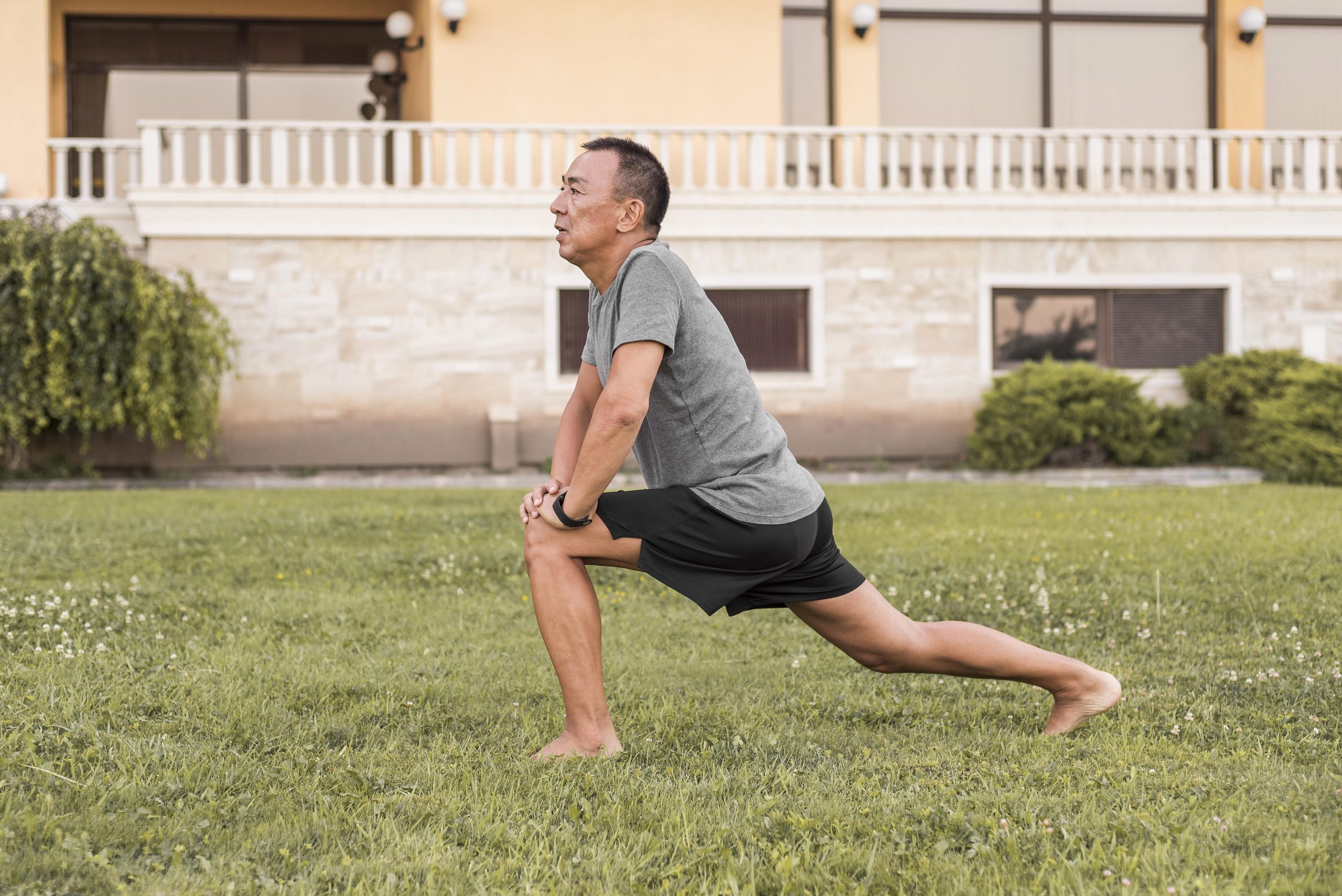
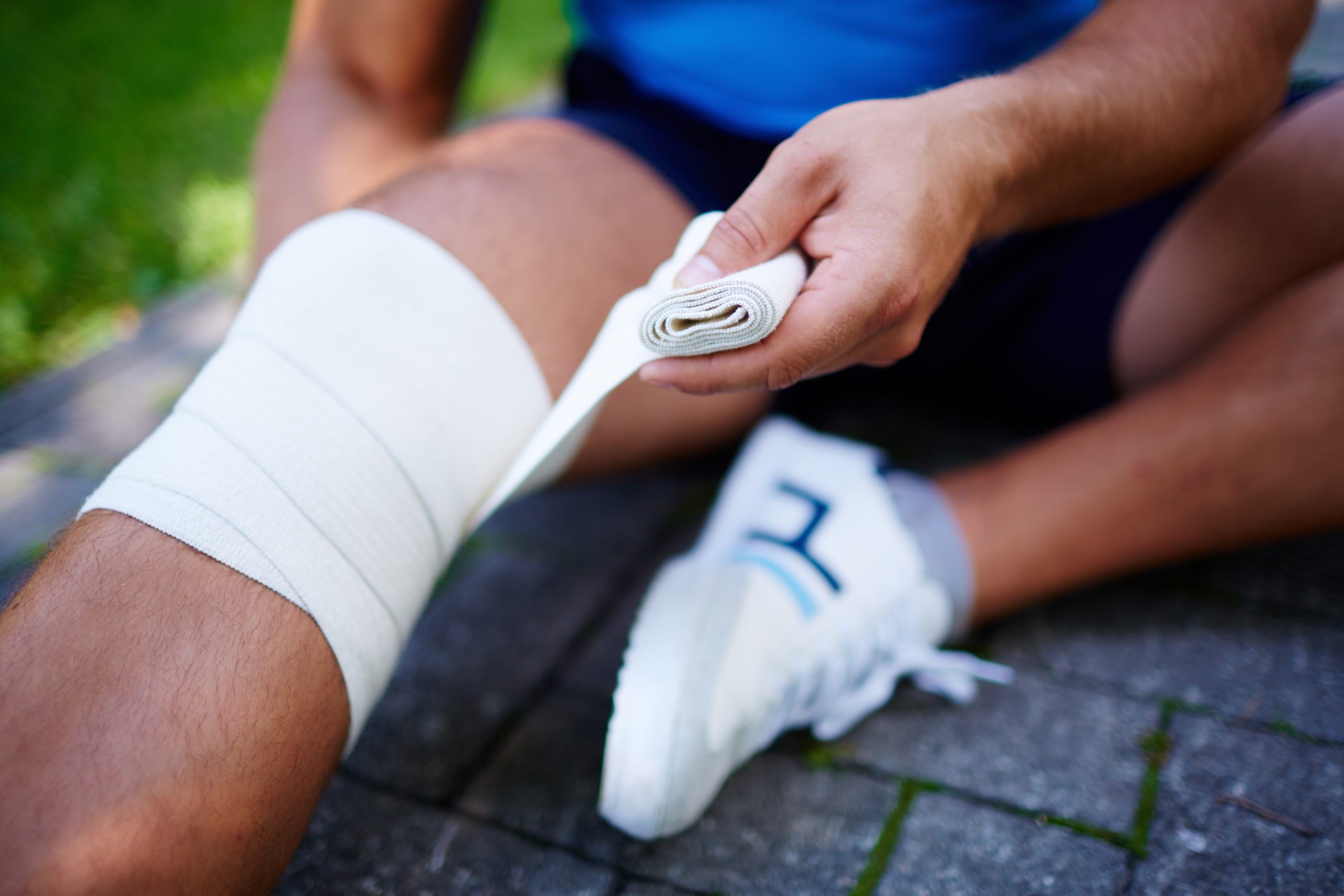
A twist during football. An awkward landing. A knee that keeps aching despite rest. These are the stories Dr Yong Ren hears most from athletes who come to see him — and what many have in common is cartilage damage.
Articular cartilage is the smooth tissue that cushions your joints and lets bones glide freely. It has almost no blood supply, which means it cannot heal itself once damaged. Left alone, the surface keeps wearing down, and that is when things get serious.
Cartilage damage usually occurs from a sudden impact (a fall, a twist, an awkward landing) or through repetitive wear from running, jumping, or squatting over time. A torn ACL or meniscus injury can accelerate it further by leaving the joint unstable.
Symptoms to Watch For
- Joint pain that worsens with activity or weight-bearing, and lingers at rest
- Swelling appearing hours or days after an injury
- Stiffness and reduced range of motion after rest
- A grinding, clicking, or catching sensation in the joint
- A joint that locks or gives way unexpectedly
If any of these sound familiar, early assessment is important. The sooner it is reviewed, the more treatment options remain available.
What Happens If It Goes Untreated?
Because cartilage cannot repair itself, untreated damage does not stay the same, it progresses. Pain during sport becomes pain during everyday activities. The protective layer thins, bones begin bearing more load, and eventually they may rub against each other: the hallmark of osteoarthritis.
Osteoarthritis is estimated to affect around 7% of the Indonesian population, with the knee as the most commonly impacted joint. Once the joint reaches this stage, treatment options become fewer, and more invasive.
Waiting can mean chronic pain, limited mobility, and a significantly harder road ahead. The earlier cartilage damage is assessed, the more options and less invasive ones remain on the table.
Treatment Options — From Conservative to Regenerative
The right treatment depends on your injury, age, activity level, and scan findings. Options range from physiotherapy and anti-inflammatory medication for mild cases, through to surgical interventions such as microfracture or cartilage transplantation for more significant damage.
For patients who want to explore a minimally invasive path before surgery, BMAC therapy is worth considering.
What Is BMAC Therapy?
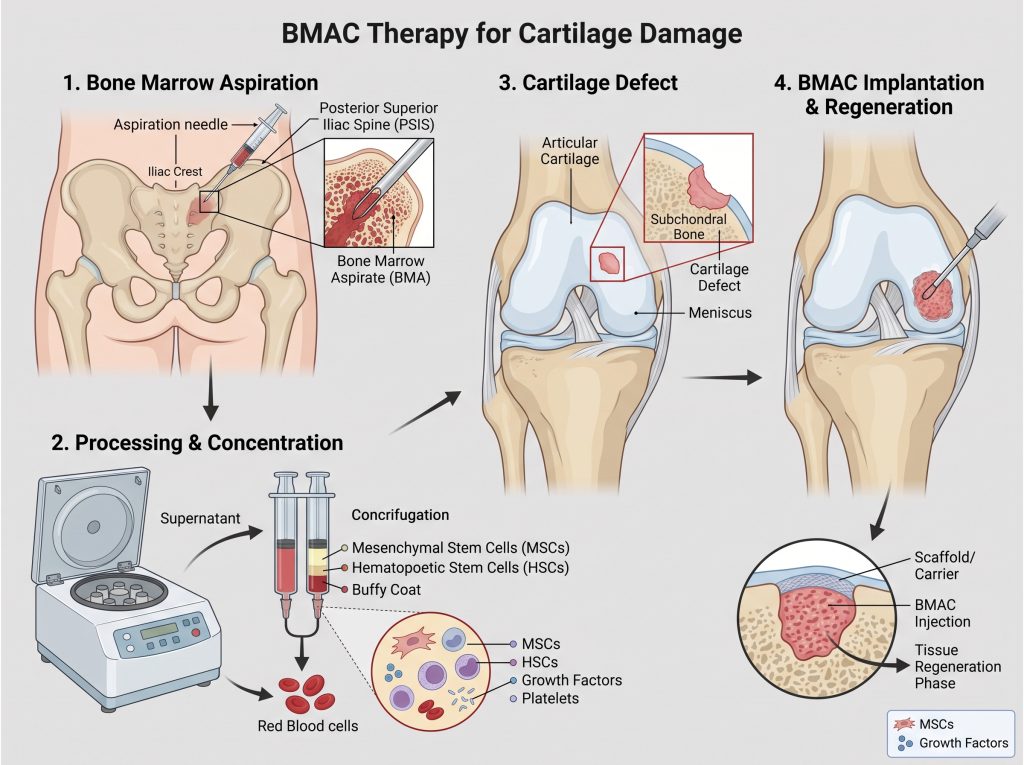
BMAC — Bone Marrow Aspirate Concentrate — uses a concentrate drawn from your own bone marrow, which is rich in stem cells, platelets, and growth factors, to support the joint’s natural repair processes from within.
It may be a suitable option if:
- Pain or stiffness has persisted for several weeks
- Conservative treatment has not provided enough relief
- You want to explore alternatives before committing to surgery
- You are an athlete aiming to return to sport
What the Procedure Involves
BMAC is a same-day, outpatient procedure. Most patients are with the team for a few hours and discharged the same day, if clinically suitable.
- A small amount of bone marrow is drawn from the hip bone under local anaesthesia (~10–15 minutes)
- It is processed in a centrifuge to concentrate its healing components
- The concentrate is injected into the affected joint, often under imaging guidance
Because the concentrate comes from your own body, the risk of rejection or allergic reaction is very low. Most patients begin physiotherapy within two weeks and ease back into light training within several weeks. For those travelling from Indonesia, rehabilitation continues at home with a local physiotherapist — making BMAC particularly well-suited for a short visit to Singapore.
Why Seek Treatment in Singapore?
Singapore’s orthopaedic specialists train to international standards, often with fellowship training abroad. Access to treatments like BMAC, combined with rigorous clinical standards and modern imaging facilities, means care that meets global benchmarks.
For patients from Indonesia, Singapore also offers:
- Short travel time from major Indonesian cities
- Same-day outpatient procedure — no extended hospital stay required
- Bahasa-speaking concierge support throughout your visit
- The ability to consolidate consultation, imaging, and treatment in a single trip
What Does BMAC Therapy Cost?
BMAC therapy in Singapore typically ranges from SGD 3,000 to SGD 6,000 depending on the joint treated and your individual plan. Consultation and any pre-procedure imaging may be additional. A clear, personalised cost estimate is provided after your initial consultation — no surprise charges.
Meet Dr Yong Ren
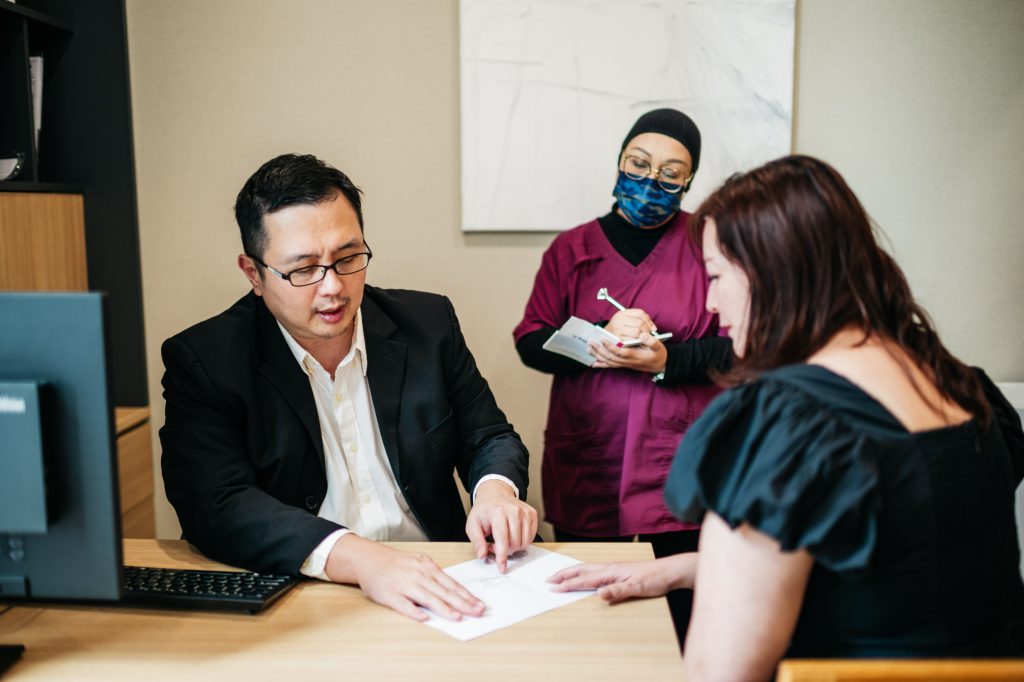
Dr Yong Ren is one of Singapore’s rare truly all-round orthopaedic surgeons. While most specialists today focus on a single sub-specialty, he brings deep expertise across hip and knee surgery, pelvic reconstruction, spinal surgery, and fracture management — giving patients a uniquely broad perspective in a single consultation.
He graduated from the National University of Singapore’s Yong Loo Lin School of Medicine, then completed subspecialty training at the renowned Inselspital in Bern, Switzerland — one of Europe’s foremost orthopaedic institutions — before returning to Singapore to lead the orthopaedic trauma team at Khoo Teck Puat Hospital. He continues as a Visiting Consultant there today.
Beyond clinical work, Dr Yong Ren has been deeply involved in medical education: appointed Assistant Professor by the Yong Loo Lin School of Medicine, core faculty for orthopaedic resident training under the National Healthcare Group, and a member of the country council for the Singapore branch of AO Trauma, the internationally recognised body for surgical training in fracture care.
Qualifications & Memberships
- MBBS, National University of Singapore
- MMed (Orthopaedic Surgery)
- FRCSEd (Orthopaedic) — Fellowship of the Royal College of Surgeons, Edinburgh
- Member, AO Trauma International
- Member, Singapore Medical Association
- Visiting Consultant, Khoo Teck Puat Hospital
For Indonesian patients, Dr Yong Ren’s clinic provides Bahasa-speaking concierge support from first enquiry through to post-procedure follow-up.
Ready to Take the Next Step?
Cartilage damage is not something to wait out. The earlier it is assessed, the more options remain available — and the less invasive they tend to be. Reach out to Dr Yong Ren’s team today.
FAQs
About Cartilage Damage & BMAC Treatment
About Dr Yong Ren & the Clinic
Planning Your Trip from Indonesia