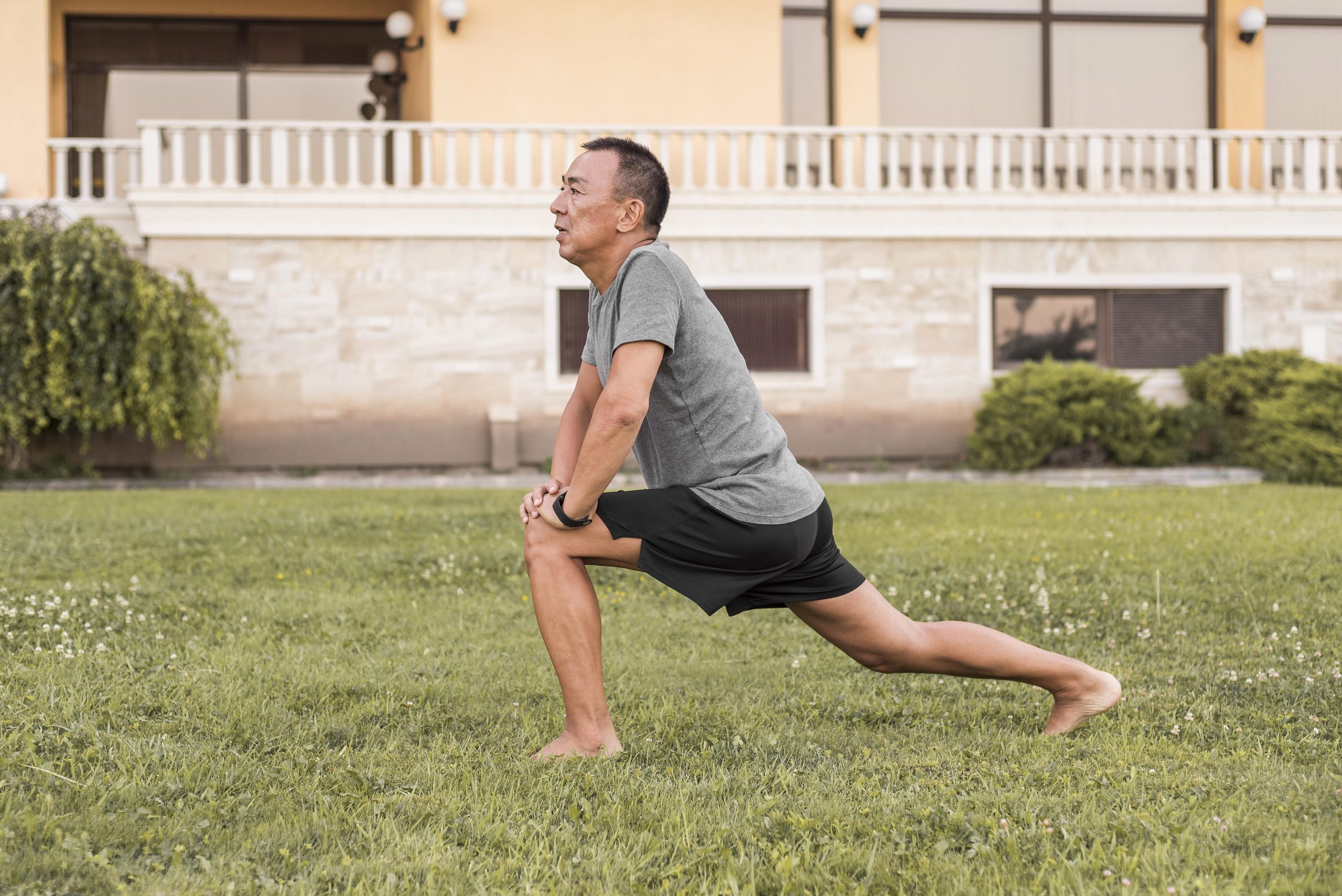

Struggling with Shoulder Pain That Isn’t Improving?
If your shoulder pain is making it difficult to lift your arm, work comfortably, or stay active, it may be more than a simple strain. While some conditions improve with conservative treatment, ongoing symptoms can suggest structural damage within the shoulder. Knowing when specialist care or surgical treatment is needed can help you avoid further limitations and plan your recovery more effectively.
Author:
Dr Yong Ren is a Singapore-based orthopaedic surgeon practising at The Orthopaedic and Pain Practice, with clinics at Gleneagles Medical Centre and Mount Elizabeth Novena Specialist Centre.
How Shoulder Injuries Affect Daily Life
Shoulder injuries can significantly affect your ability to perform everyday activities, especially when pain, stiffness, or weakness limits movement. Tasks such as getting dressed, lifting objects, working, or even sleeping comfortably may become difficult.
For individuals involved in sports or physically demanding work, these limitations can also affect performance and productivity. When symptoms persist, they often indicate that the underlying issue requires more than rest alone and should be properly assessed to determine the most appropriate treatment.
Common Symptoms and Causes of Shoulder Injuries
Shoulder injuries can result from a sudden incident, such as a fall or lifting something heavy, or develop gradually due to repeated strain over time. Sports involving overhead movement, physically demanding work, and even prolonged poor posture can place stress on the shoulder.
Common symptoms include:
- Pain when lifting the arm or reaching overhead
- Weakness, especially when carrying objects
- Stiffness or reduced range of motion
- Discomfort at night or when lying on the shoulder
- A clicking or catching sensation
- A feeling of instability in the joint
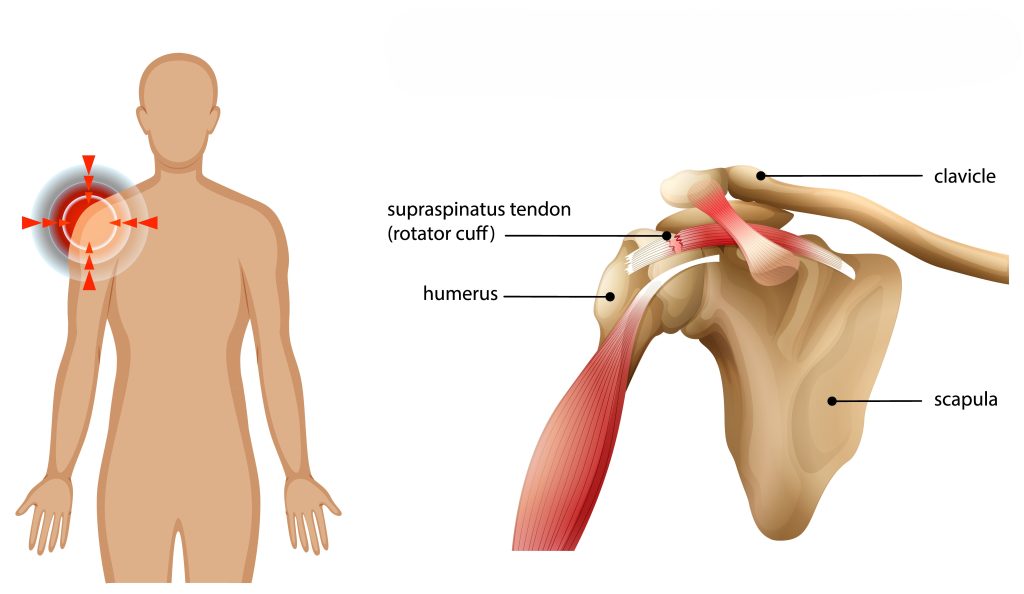
While mild symptoms may improve with rest, persistent pain, weakness, or limited movement often indicate an underlying structural problem, such as tendon injury or joint instability, which may require further evaluation.
Treatment Options for Shoulder Injuries
Treatment for shoulder injuries depends on the severity of the condition, the structures involved, and how much it affects your daily activities.
Non-surgical treatment is often the first step and may be effective for less severe conditions. This typically includes:
- Rest and avoiding activities that trigger pain
- Medication to reduce inflammation
- Physiotherapy to restore strength and movement
- Injections in selected cases for persistent symptoms
However, when symptoms continue despite appropriate treatment, or when there is significant structural damage, surgical treatment is recommended to repair the underlying problem and restore shoulder function.
The choice of treatment is based on clinical assessment, imaging findings, and your functional needs, with the goal of improving both short-term recovery and long-term shoulder stability. When symptoms do not improve as expected, further assessment is often needed to determine whether there is an underlying structural issue.
When Shoulder Pain Needs Specialist Assessment?
If shoulder pain continues to limit your movement, strength, or daily activities, it may indicate more than a minor strain and should be assessed further.
This is particularly important if:
- Symptoms do not improve after several weeks of rest or physiotherapy
- You experience persistent weakness or difficulty lifting the arm
- Daily activities or work are increasingly affected
- The shoulder feels unstable or has episodes of dislocation
- The injury occurred after a fall or heavy lifting
In these cases, the underlying issue may involve structural damage within the shoulder, such as tendon tears or joint instability. These conditions often do not resolve fully without appropriate treatment.
A proper orthopaedic evaluation, including clinical examination and imaging, helps determine the extent of the injury and whether non-surgical care is sufficient or surgical treatment may be required.
What Happens If You Delay Treatment?
When an underlying shoulder condition is left untreated, the problem can progress over time.
For example, tendon injuries may enlarge, making them more difficult to repair. Joint instability can lead to repeated strain on surrounding structures, increasing the risk of further damage. Over time, this may result in reduced strength, limited movement, and greater difficulty returning to normal activities.
In some cases, conditions that might have been managed earlier with less complex treatment may require more extensive intervention if left unaddressed.
While not all shoulder injuries require immediate surgery, persistent symptoms should not be ignored, especially when they begin to affect function. Early assessment helps clarify the diagnosis and allows for more appropriate and timely treatment.
A Closer Look at Shoulder Surgery
When surgery is recommended, the approach depends on the specific condition affecting the shoulder. Many procedures are performed using minimally invasive (keyhole) techniques.
During surgery:
- You will be under anaesthesia for comfort
- Small incisions are made to insert a camera and specialised instruments
- The joint is examined to confirm the extent of damage
- Damaged structures, such as torn tendons or unstable joint components, are repaired or stabilised
The procedure is planned based on your individual condition, with the aim of restoring shoulder stability, strength, and movement while minimising disruption to surrounding tissues.
Most procedures are completed within a few hours, and patients can usually return home after a short stay, depending on the type of surgery and recovery progress.
Recovery and Rehabilitation
Recovery after shoulder surgery is a structured process focused on restoring movement, strength, and function through guided rehabilitation.
In the early stage, the shoulder may be supported in a sling to protect the repair while healing begins. Gentle exercises are introduced gradually to maintain mobility without placing stress on the surgical area.
As recovery progresses, physiotherapy focuses on rebuilding strength, improving range of motion, and restoring shoulder control. The pace of rehabilitation depends on the type of procedure and individual healing response.
Most patients are able to return to daily activities over time, while higher-demand activities such as sports or heavy lifting typically require a longer recovery period. Following the rehabilitation plan closely is important to support a safe and stable recovery.
Planning Treatment in Singapore
For Indonesians considering shoulder treatment in Singapore, early planning helps ensure a smooth and well-coordinated process.
An initial review can often be done using your medical reports and imaging (such as X-rays or MRI scans). This allows for a clearer understanding of your condition and helps determine whether further evaluation or surgical treatment is required before you travel.
If surgery is recommended, most shoulder procedures involve a short hospital stay. The length of stay depends on the type of surgery and your initial recovery, after which you may return to Indonesia once it is safe to do so.
Rehabilitation can continue in Indonesia with guidance on physiotherapy and recovery milestones, allowing you to complete most of your recovery closer to home.
Support is available for Indonesian patients, including Bahasa-speaking assistance for appointment booking and coordination. Consultations are conducted in English, with translation support provided if needed.
About Dr. Yong Ren
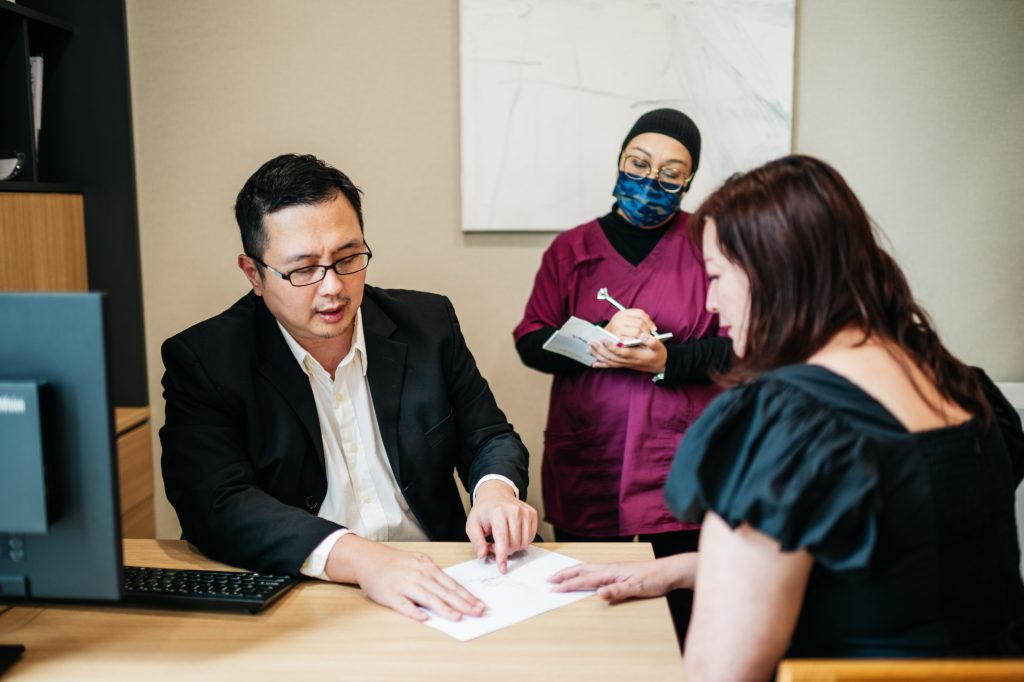
Dr Yong Ren is an orthopaedic surgeon based in Singapore, with experience in managing a range of shoulder and joint conditions, including injuries related to sports, work, and degenerative changes.
He received his orthopaedic training in Singapore and further underwent subspecialty training in Switzerland, where he was exposed to advanced surgical techniques, including minimally invasive procedures for joint conditions. This experience supports his approach in managing cases that require careful assessment and precise surgical treatment.
Dr Yong Ren previously served as Head of Orthopaedic Trauma at Khoo Teck Puat Hospital, where he managed complex bone and joint injuries. He is also involved in medical education as an Assistant Professor, contributing to the training of doctors in orthopaedic surgery.
In his clinical practice, he focuses on evaluating the underlying cause of shoulder problems, assessing functional impact, and recommending appropriate treatment options. This includes both non-surgical care and, where indicated, surgical procedures to restore stability, strength, and movement.
FAQs
Mild strains usually improve within a few days with rest. If your pain persists beyond a few weeks, worsens over time, or limits your movement, it may indicate a more significant injury that requires medical evaluation.
Yes, many shoulder conditions improve with proper non-surgical care such as physiotherapy and activity modification. However, some structural problems may not heal fully without surgical repair.
Continuing to exercise through pain can worsen the injury. It is important to modify or stop activities that trigger discomfort until the condition is properly assessed.
No. Many shoulder conditions can be managed with rest, medication, and physiotherapy. Surgery is usually considered when symptoms persist or when there is structural damage that is unlikely to improve with non-surgical treatment.
Delaying treatment may lead to worsening damage, reduced mobility, and longer recovery time. Some conditions may become more difficult to treat if left untreated.
Recovery varies depending on the condition and type of procedure. Daily activities can usually be resumed gradually, while full recovery for higher-demand activities may take several months with rehabilitation.
Many patients regain good strength and function with proper treatment and rehabilitation. The outcome depends on the severity of the injury and how closely the recovery plan is followed.
You will not feel pain during the procedure as it is performed under anaesthesia. Some discomfort is expected after surgery, especially in the early stages, but this is typically manageable and improves with recovery.
Yes, you can arrange an initial consultation to discuss your condition, review your reports, and understand your treatment options before making travel plans.
Yes, our Indonesian patient support team can assist you with appointment scheduling, communication, and coordination to ensure a smooth and comfortable treatment journey.
Get Help for Your Shoulder Pain
Shoulder injuries can affect your daily life, but with the right treatment, recovery and return to normal activities are possible. If you are experiencing ongoing symptoms, contact our Indonesia patient support team to explore your treatment options and plan your care in Singapore.