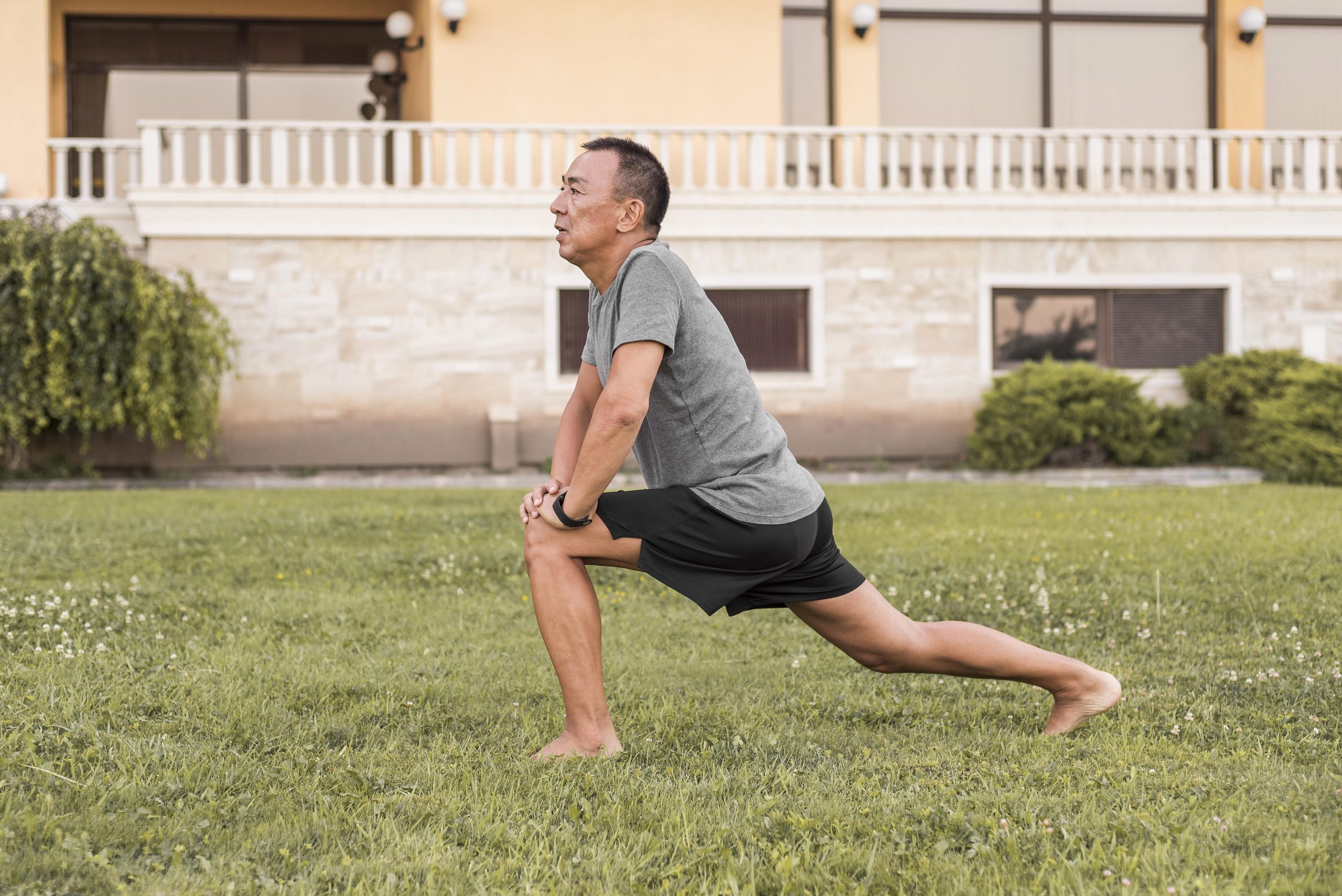
Struggling with Knee Instability After an ACL Injury?
If your knee has given way during sports or no longer feels stable when you move, it may be a sign of an ACL injury. While some injuries can be managed without surgery, persistent instability can make it difficult to return to sports safely. Understanding when surgery is needed—and what recovery involves—can help you make a more informed decision about your next step.
Author:
Dr Yong Ren is a Singapore-based orthopaedic surgeon practising at The Orthopaedic and Pain Practice, with clinics at Gleneagles Medical Centre and Mount Elizabeth Novena Specialist Centre.
Why ACL Injuries Should Not Be Ignored
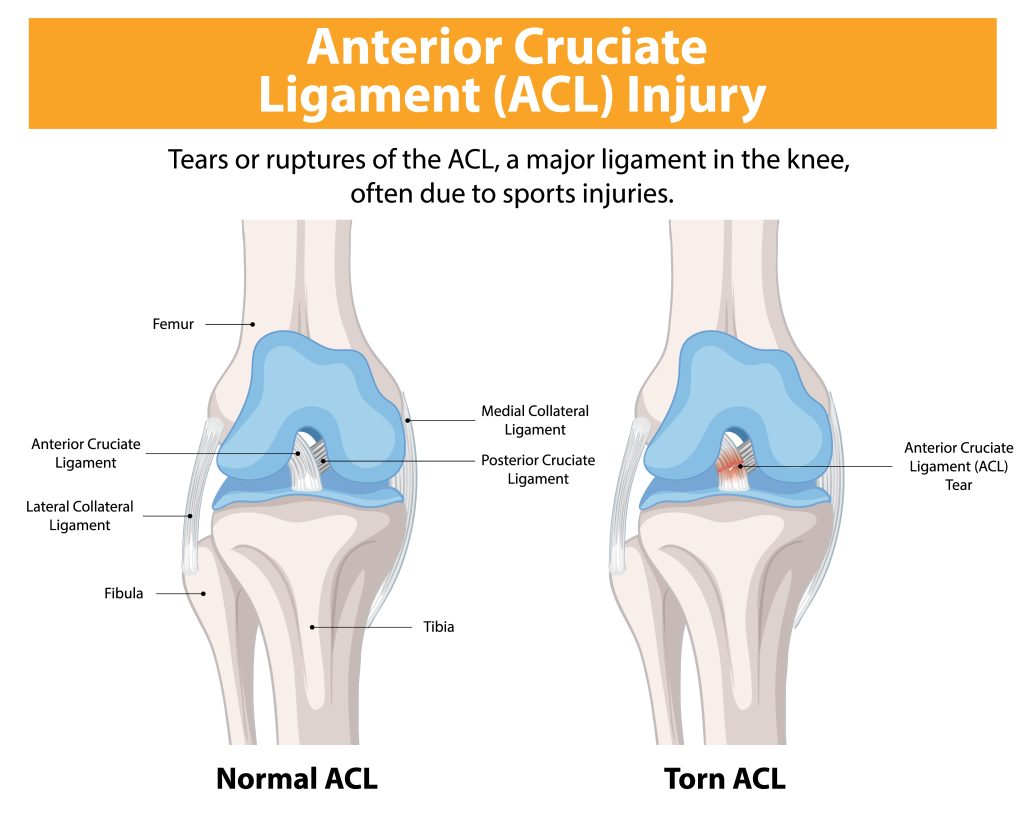
An ACL injury affects one of the key ligaments that stabilises the knee, particularly during movements such as pivoting, jumping, and sudden changes in direction. When the ligament is torn, the knee may become unstable, especially during physical activity.
For active individuals, this instability is not just a temporary limitation. Repeated episodes of the knee “giving way” can lead to additional injury within the joint, including damage to the meniscus and cartilage. Over time, this may affect long-term knee function and increase the risk of further joint problems.
For this reason, an ACL injury should not be viewed as a minor setback. Early assessment helps determine the extent of the injury and whether treatment is needed to restore stability and support a safe return to activity.
Causes and Risk Factors You Should Know
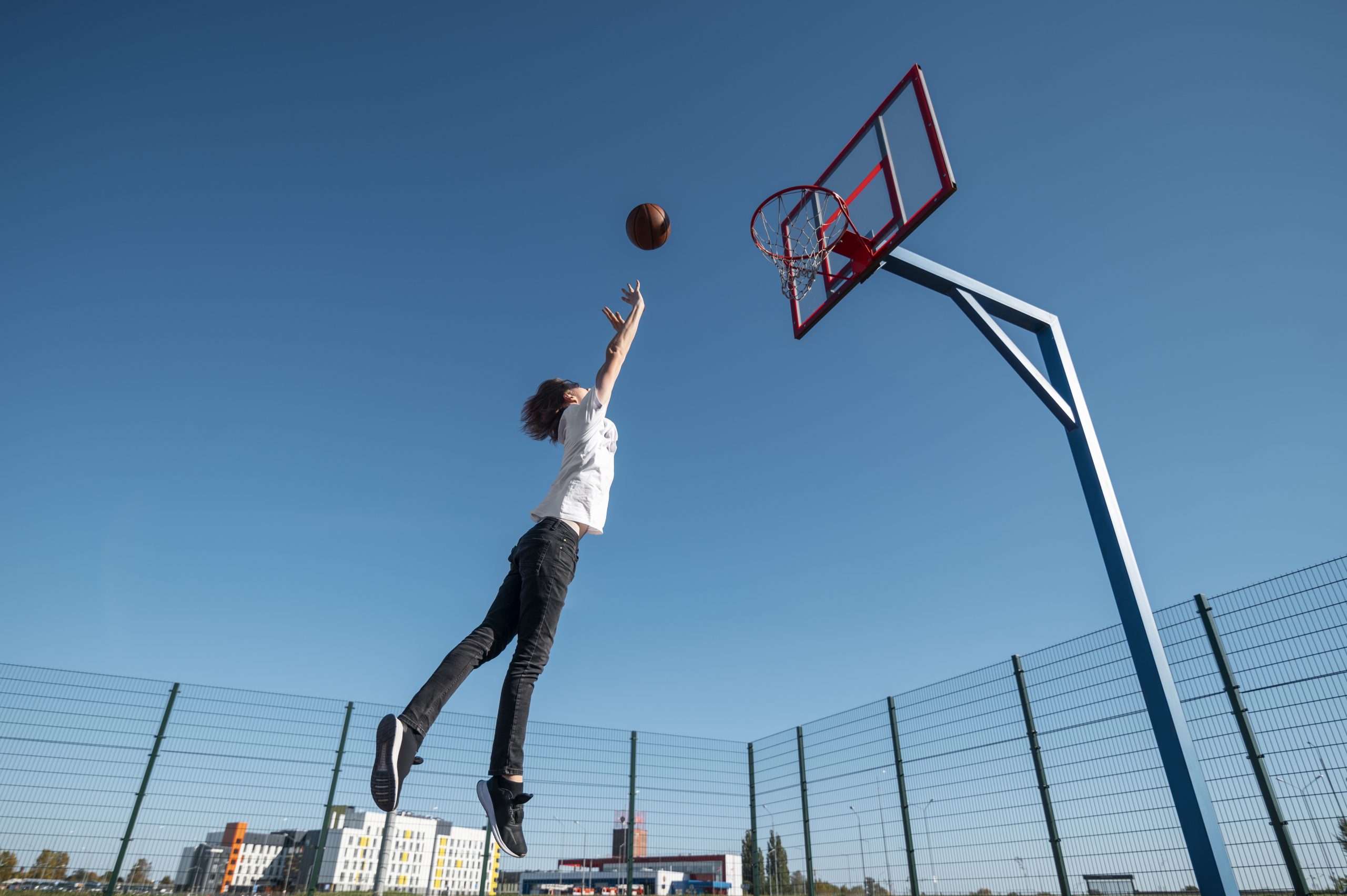
ACL injuries commonly occur during sports that involve sudden stopping, pivoting, or landing from a jump. Activities such as football, basketball, and badminton place significant stress on the knee during these movements.
Certain factors may increase the risk of injury, including previous knee injuries, muscle imbalance, or poor movement control. Once the ACL is torn, the knee may become unstable, particularly during activity, which can increase the risk of further damage to the meniscus and cartilage over time.
Treatment Options for ACL Injuries
The appropriate treatment for an ACL injury depends on your activity level, the severity of the tear, and your goals for returning to sports.
Non-surgical treatment may be suitable if the knee remains stable and activity demands are lower. This typically involves physiotherapy to strengthen the knee, use of a brace for support, and modification of activities that place stress on the joint.
Surgical treatment (ACL reconstruction) is commonly recommended for active individuals who wish to return to sports involving pivoting, jumping, or sudden changes in direction. The procedure reconstructs the torn ligament using a graft to restore stability.
The decision is based on clinical assessment, imaging findings, and how much stability your knee requires for your lifestyle and activity goals.
When Should You See an Orthopaedic Specialist?
If you have sustained a knee injury and continue to experience instability, pain, or difficulty returning to activity, an orthopaedic assessment is recommended to evaluate the condition of the knee.
This is particularly important if:
- Your knee repeatedly feels unstable or “gives way” during movement
- You are unable to return to sports or physical activity
- Swelling or discomfort persists despite initial treatment
- Imaging suggests a ligament tear or additional injury within the knee
An orthopaedic evaluation includes a clinical examination and imaging to assess the extent of the injury and overall knee stability. This allows for a clearer understanding of whether the ligament can be managed with rehabilitation or if surgical reconstruction is likely to provide better stability and function.
When Is ACL Surgery Needed?
ACL reconstruction is generally recommended for individuals whose knee remains unstable during activity, particularly when this affects their ability to return to sports or maintain an active lifestyle.
The decision is based on several factors assessed during evaluation, including:
- Persistent knee instability, especially during pivoting or sudden movements
- A complete ACL tear confirmed on imaging
- Difficulty returning to sports or higher-level physical activity
- Associated injuries, such as damage to the meniscus or cartilage
For active individuals who wish to return to sports that involve running, jumping, or changes in direction, surgical reconstruction is often the more reliable way to restore knee stability.
In contrast, non-surgical treatment may be considered if the knee remains stable, activity demands are lower, and rehabilitation provides sufficient function for daily activities.
The goal is to select the treatment approach that best supports both knee stability and long-term joint health, based on your individual condition and activity level.
What Happens If You Delay ACL Surgery?
When the ACL is torn and the knee remains unstable, delaying surgical treatment can lead to repeated episodes of the knee giving way, particularly during activity.
Over time, this instability can place additional stress on other structures within the knee, increasing the risk of:
- Meniscus tears
- Cartilage damage
- Progressive wear within the joint
These changes may affect long-term knee function and, in some cases, make treatment more complex. For individuals who wish to return to sports, ongoing instability can also limit confidence and increase the risk of further injury.
While not every ACL injury requires immediate surgery, timing becomes an important consideration when instability persists. Early assessment allows for better planning and helps determine the most appropriate time for treatment based on your activity goals and condition.
How ACL Surgery Helps You Recover
ACL reconstruction is a minimally invasive (keyhole) surgery performed to restore stability to the knee when the ligament has been torn.
During the procedure, small incisions are made to insert a camera and specialised instruments. The torn ligament is removed, the knee joint is assessed for additional damage, and a graft—usually taken from your own tendon—is used to reconstruct the ACL and restore stability.
The surgery typically takes about one to one and a half hours, and most patients can return home on the same day or after a short stay.
By stabilising the knee, the procedure supports safer movement and reduces the risk of repeated injury. With structured rehabilitation, it also allows patients to work towards returning to sports over time.
Can You Return to Sports After ACL Surgery?
Returning to sports is a common goal for many patients after ACL reconstruction, particularly for those who were active before their injury. With appropriate surgery and a structured rehabilitation programme, many individuals are able to return to sports over time.
However, returning to the same level of performance depends on several factors, including the severity of the injury, the presence of any additional damage within the knee, and commitment to rehabilitation. Recovery is a gradual process, and the knee needs time to regain strength, stability, and coordination before returning to higher-intensity activities.
In most cases, return to sports is considered only after adequate strength and functional stability have been achieved. This is typically assessed through rehabilitation progress rather than based on time alone.
The goal is not simply to return to activity, but to do so safely and with reduced risk of re-injury, through proper recovery and guided progression.
Recovery Timeline After ACL Surgery
Surgery is only the first step. A successful recovery depends on a structured rehabilitation plan that focuses on restoring movement, strength, and stability in the knee.
In the early stages, the focus is on reducing swelling, managing discomfort, and gradually restoring range of motion. You may use crutches for support while beginning guided physiotherapy.
Recovery typically progresses in phases:
- First 3 months: Improve range of motion and build basic strength
- Months 4–6: Gradual return to activities like jogging and light training
- Months 6–12: Advanced strengthening and sport-specific rehabilitation
Most patients can return to sports within 9 to 12 months, depending on their progress and commitment to rehabilitation. Recovery timelines can vary, and following the programme carefully is important to regain confidence and stability in the knee.
Planning Surgery in Singapore (For Indonesian Patients)
For Indonesians considering ACL surgery in Singapore, planning ahead helps ensure a smooth and well-coordinated treatment journey.
Before travelling, an initial review can often be arranged using your existing medical reports and MRI scans. This allows for a clearer understanding of your condition and helps determine whether surgery is appropriate, as well as how your visit can be planned.
If surgery is recommended, ACL reconstruction is typically performed as a short-stay procedure. Many patients are able to return home after a brief recovery period, once early follow-up and initial rehabilitation have been completed. The exact duration of stay depends on individual recovery.
After returning to Indonesia, rehabilitation can continue locally with guidance on physiotherapy and recovery milestones. This helps ensure continuity of care while allowing you to complete most of your recovery closer to home.
Support is available to assist Indonesian patients throughout the process, including Bahasa-speaking assistance for appointment booking and coordination. During consultations, Dr Yong Ren communicates in English, with translation support available if needed.
About Dr Yong Ren
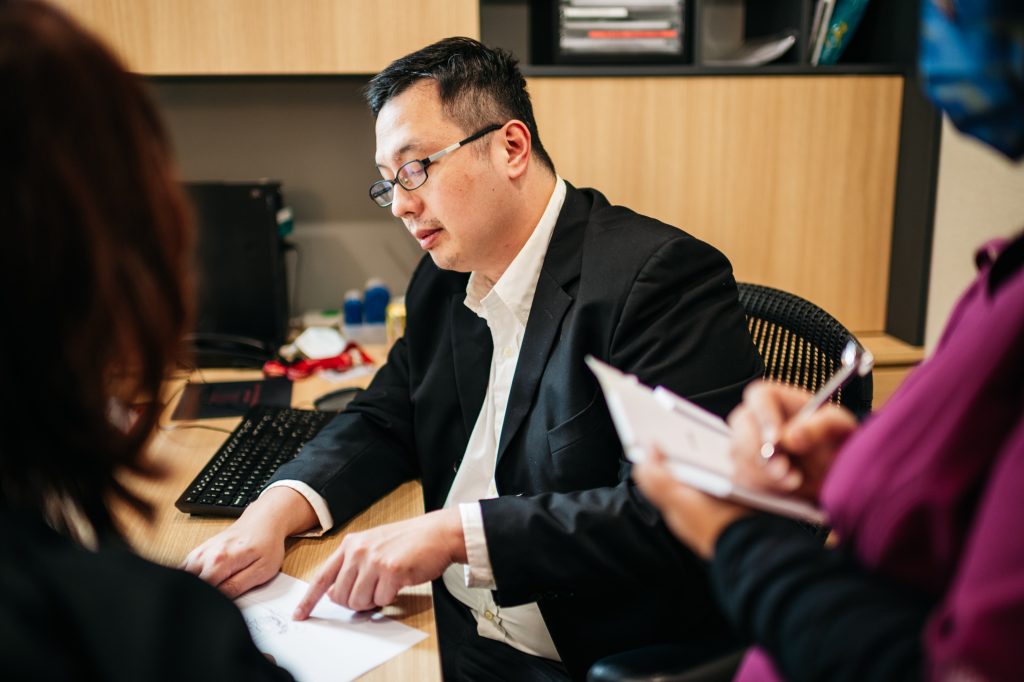
Dr Yong Ren is an orthopaedic surgeon based in Singapore, with experience in managing sports-related knee injuries, including ACL tears and conditions affecting joint stability.
He received his orthopaedic training in Singapore and further underwent subspecialty training in Switzerland, where he gained exposure to advanced surgical techniques, including minimally invasive procedures for complex joint conditions. This experience supports his approach in managing injuries that require careful assessment and precise surgical reconstruction.
Dr Yong Ren previously served as Head of Orthopaedic Trauma at Khoo Teck Puat Hospital, where he managed a wide range of complex bone and joint conditions. He is also involved in medical education as an Assistant Professor, contributing to the training of doctors in orthopaedic surgery.
In his clinical practice, he focuses on assessing knee stability, understanding each patient’s activity goals, and recommending appropriate treatment options. This includes both non-surgical management and, where indicated, procedures such as ACL reconstruction to support recovery and return to activity.
Patients also benefit from his patient-centred approach and culturally sensitive support. With a Bahasa-speaking concierge and dedicated assistance for Indonesian patients, support services are available to assist patients throughout the treatment process.
FAQs
Not all ACL injuries require surgery. Non-surgical treatment may be suitable if the knee remains stable and activity demands are lower. However, for individuals who wish to return to sports involving pivoting or sudden movements, surgery is often recommended to restore stability.
ACL reconstruction is considered a minimally invasive (keyhole) procedure performed under anaesthesia. While it is a structured surgical procedure, most patients can return home on the same day or after a short stay.
You will not feel pain during the procedure as it is performed under anaesthesia. Some discomfort is expected after surgery, especially in the early stages, but this is managed with medication and improves as recovery progresses.
Recovery is gradual and typically takes several months. Basic movement improves within the first few weeks, while return to sports usually occurs around 9 to 12 months, depending on rehabilitation progress.
A completely torn ACL does not heal naturally. While physiotherapy can help strengthen the surrounding muscles, it does not restore the ligament itself.
If the knee remains unstable, avoiding surgery may lead to repeated episodes of the knee giving way. Over time, this can increase the risk of further injury to the meniscus and cartilage, which may affect long-term knee function.
Dr Yong Ren is an orthopaedic surgeon with training in Singapore and subspecialty experience in Switzerland. He has managed a wide range of knee conditions, including ACL injuries, and focuses on restoring joint stability through appropriate surgical and non-surgical care.
ACL surgery is typically a short-stay procedure. Most patients remain in Singapore for a brief period after surgery for initial recovery and follow-up before returning home. The exact duration depends on individual recovery.
Yes, rehabilitation can continue in Indonesia with guidance on physiotherapy and recovery milestones. This allows you to complete most of your recovery closer to home while maintaining continuity of care.
The cost of ACL surgery in Singapore varies depending on factors such as the complexity of the procedure, hospital stay, and individual medical needs. A more accurate estimate is usually provided after an initial assessment and review of your condition.
Regain Confidence in Your Movement
If you have sustained an ACL injury and continue to experience knee instability or difficulty returning to sports, a proper orthopaedic evaluation can help determine the extent of the injury and whether surgical reconstruction may be appropriate to restore stability and reduce the risk of further damage.
Contact our Indonesian team today to get guidance and arrange your consultation with Dr. Yong Ren in Singapore.