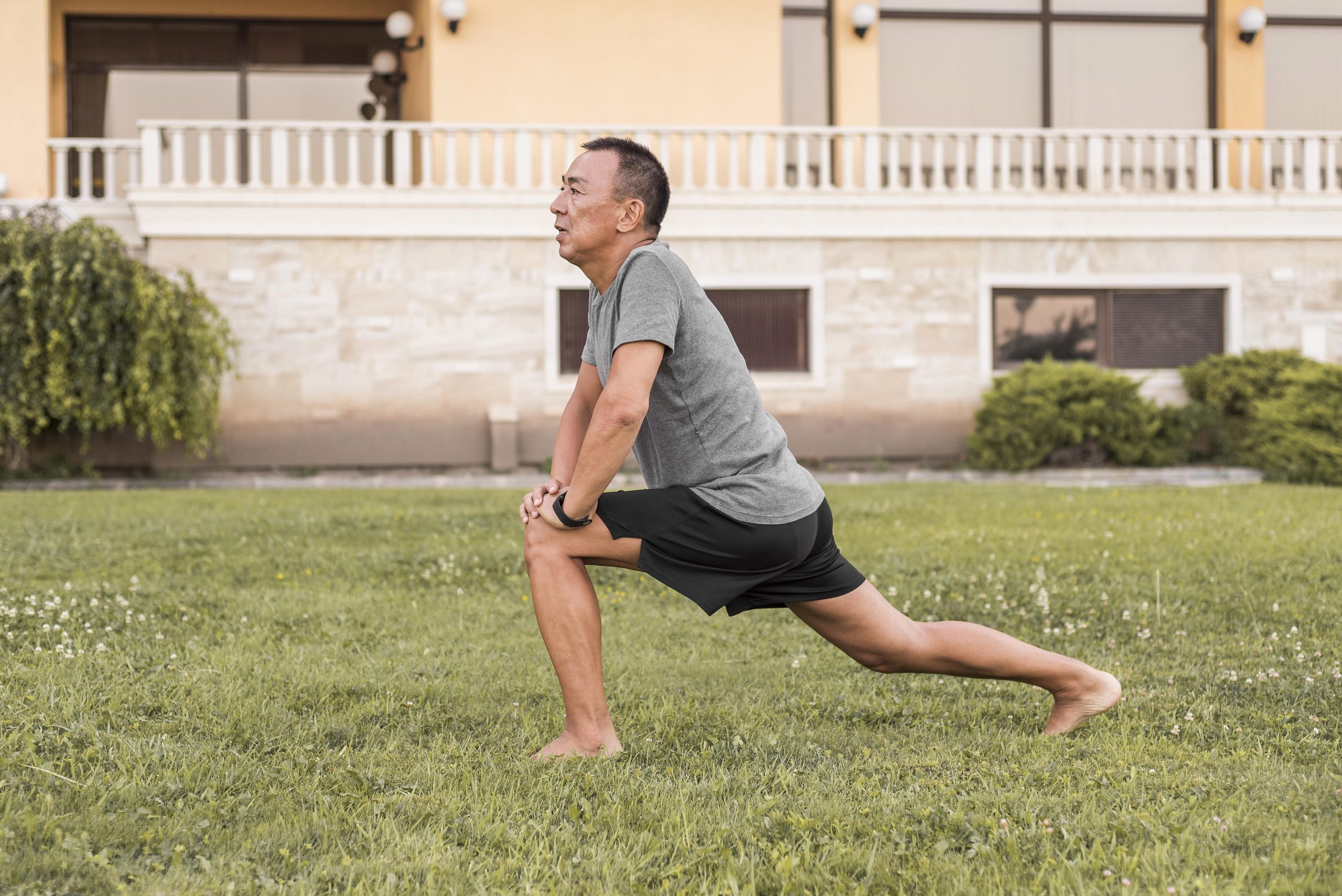

Knee Pain from Rheumatoid Arthritis
If you have rheumatoid arthritis and your knee pain continues despite treatment, it may be a sign that the joint has been significantly affected. While early care focuses on controlling inflammation, ongoing symptoms such as difficulty walking or persistent stiffness may indicate structural damage to the knee. At this stage, it becomes important to assess whether surgical treatment may help restore function and mobility.
Author:
Dr Yong Ren is a Singapore-based orthopaedic surgeon practising at The Orthopaedic and Pain Practice, with clinics at Gleneagles Medical Centre and Mount Elizabeth Novena Specialist Centre.
Understanding Rheumatoid Arthritis and the Knee
Rheumatoid arthritis is a chronic autoimmune condition in which the immune system attacks the lining of the joints, causing persistent inflammation. It is typically managed by a rheumatologist, who focuses on controlling inflammation and slowing disease progression with medication.
Over time, however, ongoing inflammation may lead to structural damage within the joint, including cartilage loss, joint space narrowing, and deformity. While rheumatoid arthritis often begins in smaller joints such as the hands, the knees can become affected as the condition progresses.
When this happens, care may involve both specialties: the rheumatologist continues to manage the underlying condition, while an orthopaedic surgeon assesses the extent of joint damage and whether surgical treatment may be appropriate to restore function and mobility.
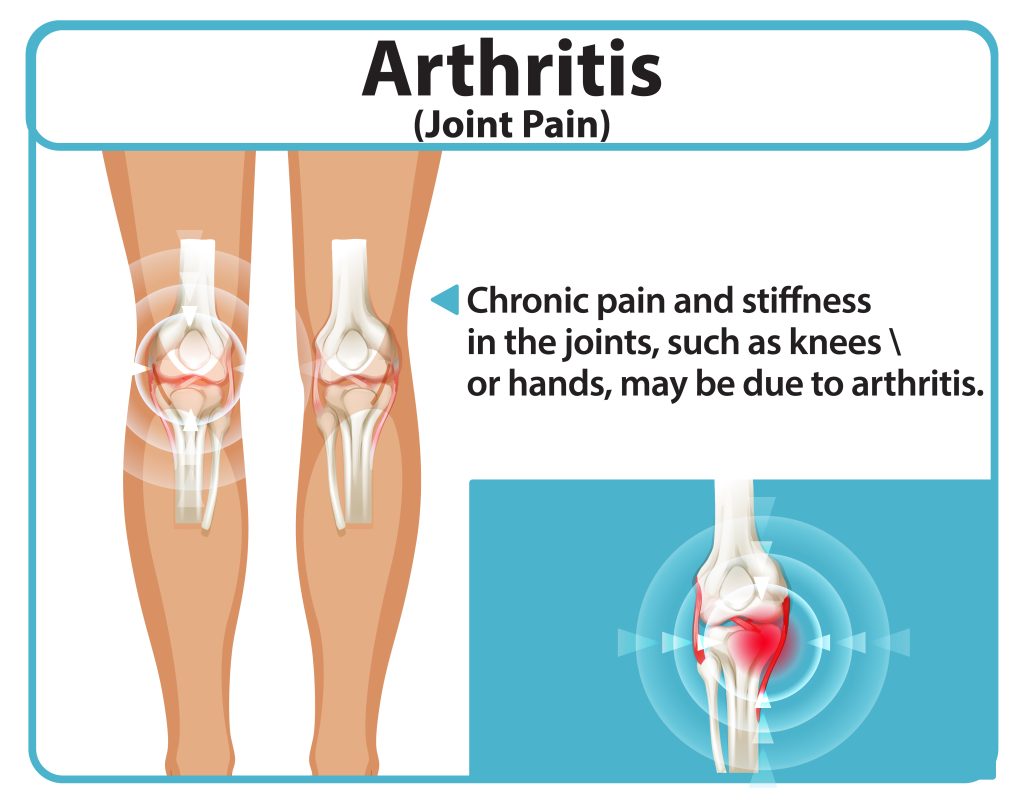
When Should You See an Orthopaedic Specialist?
Rheumatoid arthritis is usually managed with medication, but when knee symptoms persist despite ongoing treatment, it may be appropriate to seek an orthopaedic assessment. This is especially relevant when the focus shifts from controlling inflammation to addressing how the joint is functioning in daily life.
You may consider seeing an orthopaedic specialist if you experience:
- Persistent knee pain that does not improve with medication
- Difficulty walking, climbing stairs, or standing for longer periods
- Stiffness or reduced movement that affects daily activities
- A feeling of instability or reduced confidence in the knee
- Noticeable changes in alignment or joint shape
In these situations, further evaluation, including clinical examination and imaging, can help determine whether the knee joint has been significantly affected and what treatment options may be appropriate.
When Is Knee Replacement Considered for Rheumatoid Arthritis?
Total knee replacement is generally considered when rheumatoid arthritis has led to significant and irreversible damage to the knee joint, and non-surgical treatment is no longer providing adequate relief.
This decision is not based on a single symptom, but on a combination of factors assessed during evaluation. These may include:
- Persistent pain that affects daily activities despite appropriate medical treatment
- Advanced joint damage seen on imaging, such as cartilage loss or joint deformity
- Reduced mobility and difficulty performing routine movements
- Ongoing symptoms that impact overall quality of life
Before recommending surgery, a thorough assessment is carried out to understand the extent of joint damage and the patient’s overall condition. The goal is to determine whether replacing the joint is likely to provide meaningful improvement in function and comfort, rather than relying on temporary symptom control.
What Happens If You Delay Surgery?
When rheumatoid arthritis has already caused significant damage to the knee joint, delaying surgical treatment often allows the condition to progress further over time.
As joint damage advances, patients may experience:
- Increasing pain and stiffness
- Progressive deformity or changes in joint alignment
- Greater difficulty with walking and daily activities
- Declining muscle strength due to reduced use of the joint
In more advanced stages, these changes can make surgery technically more complex and may affect the overall recovery process. While surgery is not always urgent, the timing of treatment plays an important role in achieving a more predictable outcome and restoring function.
For patients whose symptoms are already affecting mobility and quality of life, early orthopaedic assessment allows for better planning and more appropriate timing of treatment.
What to Expect from Total Knee Replacement
Total knee replacement is considered a major surgical procedure, performed when the knee joint has been significantly damaged and is no longer functioning well despite non-surgical treatment. The aim is to reduce pain and improve the ability to move and carry out daily activities.
During the procedure, the damaged cartilage and bone within the knee joint are carefully removed and replaced with artificial components designed to allow smoother and more stable movement. The surgery is performed under general anesthesia and typically takes a few hours, depending on the complexity of the case.
As with any surgery, it is natural to have concerns about pain and safety. Most patients can expect some discomfort after the procedure, particularly in the early stages of recovery, but this is managed with appropriate pain control and rehabilitation. Over time, pain related to the damaged joint is generally reduced as healing progresses.
For patients with rheumatoid arthritis, additional factors such as inflammation and soft tissue condition are taken into account when planning the procedure. The goal is to ensure that surgery is performed at an appropriate time and in a way that supports a stable and functional outcome.
Recovery and Rehabilitation
Recovery after total knee replacement is a gradual process that focuses on restoring movement, strength, and confidence in the joint.
Most patients stay in the hospital for a few days after surgery. Early movement is encouraged, often starting within the first day, with guidance from a physiotherapist to help regain mobility safely.
In the first few weeks, you may need support such as a walking aid while working on improving knee movement and strength. Structured physiotherapy plays an important role during this period, helping you return to daily activities progressively.
Improvement continues over the following months. Many patients are able to walk more comfortably and carry out routine activities with greater ease as recovery progresses. The overall timeline varies, but it typically takes several weeks to regain basic mobility, and a few months to achieve more stable function.
For patients travelling from overseas, recovery planning is discussed in advance to ensure that your stay, follow-up care, and return home are coordinated appropriately.
Planning Treatment in Singapore (For Indonesian Patients)
For Indonesians considering treatment in Singapore, planning ahead can help ensure a smoother and more comfortable experience.
Before travelling, an initial assessment can often be arranged using your existing medical reports and imaging. This helps determine whether further evaluation or treatment may be appropriate, and allows for better planning of your visit.
If surgery is required, most patients typically stay in Singapore for a period of time to allow for early recovery and initial follow-up. This may include post-operative review, wound care, and guided physiotherapy before returning home. The exact duration depends on the individual’s condition and progress after surgery.
After returning to Indonesia, follow-up care can often be coordinated with local healthcare providers, with guidance provided where necessary. This helps ensure continuity of care while reducing the need for extended time away from home.
Support is available to assist Indonesian patients throughout the process. This includes Bahasa-speaking assistance for initial enquiries, appointment booking, and coordination of your visit in Singapore. During consultations, Dr Yong Ren communicates in English, with translation support available in Bahasa if needed to ensure clear understanding. Assistance can also be provided for follow-up coordination after your return to Indonesia.
Meet Dr Yong Ren
Dr Yong Ren is an orthopaedic surgeon in Singapore with experience in managing joint conditions that affect mobility, including advanced knee problems related to rheumatoid arthritis.
He received his orthopaedic training in Singapore and further underwent subspecialty training in Switzerland, where he gained exposure to advanced surgical techniques, including minimally invasive approaches for joint and complex orthopaedic conditions. This international training supports his approach in managing cases where joint damage has progressed and requires careful surgical planning.
Dr Yong Ren previously served as Head of Orthopaedic Trauma at Khoo Teck Puat Hospital, where he managed a wide range of complex cases involving bone and joint injuries. He is also involved in medical education as an Assistant Professor, contributing to the training of doctors in orthopaedic surgery.
In his clinical practice, he focuses on assessing the extent of joint damage and guiding patients through appropriate treatment options based on their condition. This may include both non-surgical management and, where necessary, procedures such as total knee replacement, with the aim of improving function and supporting recovery.
Patients from Indonesia are also supported by a dedicated team, including Bahasa-speaking assistance, to ensure a clear, comfortable, and well-coordinated treatment journey in Singapore.
FAQs
Knee replacement is usually considered when there is significant joint damage and symptoms such as pain and reduced mobility continue despite appropriate medical treatment. An orthopaedic assessment, including examination and imaging, helps determine whether surgery is appropriate.
Yes, it is a major procedure. It is performed under anesthesia and typically takes a few hours. The surgery is carefully planned based on your condition to improve joint function and reduce pain.
It is normal to experience some discomfort after surgery, especially in the early stages of recovery. Pain is managed with appropriate medication and rehabilitation, and most patients notice improvement as healing progresses.
Most patients begin moving the knee within the first day after surgery. Basic mobility improves over several weeks, while more complete recovery and strengthening typically take a few months, depending on individual progress and rehabilitation.
Knee replacement implants are designed to be durable, and many can function well for years. Longevity depends on factors such as activity level, overall health, and how the joint is used over time.
Dr Yong Ren is an orthopaedic surgeon with training in Singapore and subspecialty experience in Switzerland. He has managed a wide range of joint conditions and complex orthopaedic cases, including those affecting the knee.
Yes, Dr Yong Ren is involved in the assessment and treatment planning of each patient. If surgery is recommended, he will discuss the procedure in detail and perform the operation as part of your care.
The length of stay varies depending on recovery progress, but patients typically remain in Singapore for a period after surgery to allow for initial recovery, wound care, and early follow-up before returning home.
Yes, recovery can continue in Indonesia with guidance on physiotherapy and follow-up care. Coordination can be arranged to support a smooth transition after your return.
The cost of knee replacement surgery in Singapore can vary depending on several factors, including the complexity of the procedure, hospital stay, type of implant used, and individual medical needs. Please contact us via WhatsApp with your detail medical condition, and we will give you an estimate cost.
What You Can Do Next
If you have been treated for rheumatoid arthritis but continue to experience knee pain, stiffness, or difficulty walking, it may be time to assess whether the joint has been significantly affected.
A proper orthopaedic evaluation can help determine the extent of joint damage and whether further treatment, including surgery, may be appropriate. Seeking advice at the right stage allows for better planning and more predictable outcomes.
Contact us to arrange a consultation or share your medical reports for an initial review. Our team can assist with appointment booking, coordination, and Bahasa-speaking support throughout your care journey in Singapore.