

Struggling With Back Pain?
Have you been struggling with back pain that keeps coming back no matter what you try? I understand how frustrating and limiting it can feel. The good news is, you don’t always need surgery. There are targeted injections commonly used to help manage symptoms.

Author:
Dr Yong Ren is a Singapore-based orthopaedic surgeon practising at The Orthopaedic and Pain Practice, with clinics at Gleneagles Medical Centre and Mount Elizabeth Novena Specialist Centre.
Table of Contents
Know Your Herniated Disc
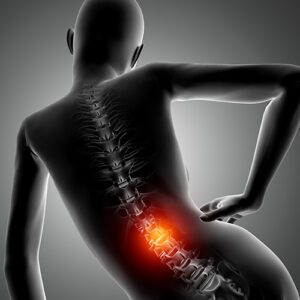 Back pain from a herniated disc can disrupt even the simplest parts of your day, walking, sitting, or getting out of bed. If left untreated, it can affect your work, movement, and help patients return to their usual activities. In Indonesia alone, millions struggle with this condition every year. I want you to know that many individuals explore non-surgical options such as injections. With the right care, noticeable symptom changes reported by some patients without needing surgery. My goal is to help you understand your condition clearly and guide you toward safe, effective treatment options that allow you to return to the activities you love.
Back pain from a herniated disc can disrupt even the simplest parts of your day, walking, sitting, or getting out of bed. If left untreated, it can affect your work, movement, and help patients return to their usual activities. In Indonesia alone, millions struggle with this condition every year. I want you to know that many individuals explore non-surgical options such as injections. With the right care, noticeable symptom changes reported by some patients without needing surgery. My goal is to help you understand your condition clearly and guide you toward safe, effective treatment options that allow you to return to the activities you love.
Symptoms to Pay Attention To
Many of my patients come to me describing a sharp, shooting pain that starts in the lower back and travels down the leg. This often signals a herniated disc, where the soft cushion between the spine bones presses on nearby nerves. You may feel persistent back pain, numbness, tingling, or weakness in the legs. These symptoms can make daily activities difficult, even something as simple as bending or sitting for long periods. Understanding what’s happening inside your spine is the first step toward getting the right treatment and finally feeling better.
Why Herniated Discs Occur
A herniated disc occurs when the soft gel inside the disc pushes out through a small tear in the outer layer. This can irritate nearby nerves and cause pain. Several factors can increase your risk:
- Age-related disc wear
As we get older, the discs naturally lose water and flexibility. This makes them more prone to tearing or slipping.
- Sudden strain or injury
Lifting heavy objects the wrong way, twisting your back, or sudden movements can place too much pressure on the spine.
- Excess body weight
Extra weight increases the load on the lower back, accelerating disc wear and increasing the chance of herniation.
- Jobs involving repetitive movements
Long hours of lifting, bending, pulling, or even prolonged sitting—such as driving for work—can stress the spine over time.
- Sedentary lifestyle and weak core muscles
Without strong core support, the spine takes more impact during daily activities.
- Smoking
Smoking reduces oxygen supply to the discs, speeding up degeneration and making them more fragile.
- Genetic predisposition
Some people naturally have discs that degenerate faster, making them more vulnerable to herniation.
- Underlying medical conditions
Osteoporosis, diabetes, and certain inflammatory conditions can weaken the spine and its supportive structures.
Although a herniated disc is not life-threatening, untreated symptoms can significantly disrupt your mobility and daily comfort.
Common Treatment Options
When you come to me with back pain from a herniated disc, I always start with the most gentle options first. Depending on your symptoms, I may recommend:
- Lifestyle adjustments — simple changes like improving posture, managing weight, and avoiding heavy lifting.
- Medications — anti-inflammatory medicines or muscle relaxants to reduce pain and swelling.
- Physical therapy — targeted exercises to strengthen your core and improve spine support.
- Back pain injections (epidural steroid injections or nerve root blocks) — precise, non-surgical treatments may help reduce inflammation and discomfort
- Surgery — only considered if all other treatments fail or symptoms become severe.
These options ensure you get the care options appropriate for your condition.
When Injections Help Most
I usually recommend back pain injections when your symptoms persist even after several weeks of rest, medication, or physiotherapy. If you continue to feel leg-radiating pain, constant lower back discomfort, or nerve-related symptoms like numbness that limit your daily activities, injections may be an appropriate next step. They work best when inflammation around a compressed nerve is driving your pain.
You should seek specialist care sooner if you notice worsening weakness, trouble walking, or increasing nerve symptoms. My priority is always to relieve your pain early through safe, non-surgical options before surgery is considered.
Injection Benefits
Back pain injections, such as epidural steroid injections or selective nerve root blocks can reduce inflammation around an irritated nerve and help relieve pain without surgery. The relief is temporary, but often significant, and the duration varies across patients:
- Typical duration: most people feel relief for about 3–6 months.
- Shorter end: some feel improvement for a few weeks up to around 3 months, especially if inflammation is severe or long-standing.
- Longer end: a smaller group can experience relief for 6–12 months, especially when the injection is accurately targeted and supported by rehabilitation.
This window of comfort often helps you move better and participate more effectively in physiotherapy, which supports longer-term recovery.
Smooth Recovery Ahead
After your injection, you may feel mild soreness at the injection site, but this usually improves within a day or two. You should rest for the first 24 hours and avoid heavy lifting, bending, twisting, or strenuous exercise. Light walking is fine and often helps your back stay loose.
You may notice early relief from the anaesthetic, while the steroid works more gradually. Its full anti-inflammatory effect typically builds over the next 1–2 weeks. Most people return to work within a few days, depending on the physical demands of their job. If you notice worsening pain, fever, redness, or unusual swelling, you should contact your doctor promptly.
Meet Dr Yong Ren
Dr Yong Ren is an orthopaedic surgeon trained in minimally invasive fracture, pelvic, hip, knee, and spinal procedures. He provides a range of surgical and non-surgical treatment options for joint, bone, and spine conditions. His practice includes supporting patients through clear diagnosis, evidence-based treatment planning, and appropriate follow-up care. He has completed advanced training in Switzerland and previously held leadership roles at Khoo Teck Puat Hospital.
He prioritises minimally invasive techniques that reduce pain, shorten hospital stays, and support faster recovery. Whether treating seniors with long-standing joint problems or active individuals eager to return to daily activities, his care focuses on restoring mobility and quality of life. Indonesian patients also appreciate his patient-centered approach, supported by a Bahasa-speaking concierge team to assist with coordination and communication.
FAQs
Lower back pain can come from muscle strain, ligament injury, herniated discs, arthritis, or spinal narrowing. Sometimes, pelvic or abdominal organ issues, like kidney problems or reproductive disorders, can also trigger pain in the lower back.
Kidney stones, kidney infections, uterine conditions, endometriosis, prostate issues, gallbladder problems, liver disease, and even pancreatic conditions can cause referred pain to the lower back, often accompanied by digestive or urinary symptoms.
Try resting briefly, avoid heavy lifting, apply heat or cold packs, and use over-the-counter pain relief if needed. If pain worsens, lasts over a few weeks, or includes numbness or fever, seek medical evaluation promptly.
Persistent pain may be due to degenerative disc disease, arthritis, nerve compression, or untreated muscle imbalance. Organ-related conditions or chronic stress can also play a role. Pain lasting beyond 12 weeks should be professionally assessed.
Treatment often includes physiotherapy, stretching, strengthening exercises, and NSAIDs. Severe or persistent cases may require muscle relaxants, steroid injections, or targeted therapies. Surgery is considered only when nerve damage or structural issues persist.
There’s no universal permanent cure, as treatment depends on the cause. Many patients recover with conservative care, while chronic cases focus on long-term symptom control. Some structural issues can be corrected surgically if necessary.
Seek medical help if the pain persists beyond a few weeks, affects walking, causes numbness or leg weakness, or is accompanied by fever, weight loss, or bladder issues. These may indicate a more serious condition requiring treatment.
Move Better, Feel Better
If you’ve been living with back pain from a herniated disc, I want you to know that relief is possible and it doesn’t always require surgery. With targeted injections, many of my patients experience symptom changes that many patients find helpful that allows them to move, work, and live more comfortably again.
If you’re considering treatment in Singapore and want clear guidance tailored to your needs, my team and I are here to support you. If you would like more information about treatment options, you may contact the clinic for further guidance.