

A Closer Look at Hip Fractures

Author:
Table of Contents
Recognising the Condition
Many of my patients first come to me after a simple fall at home, often while walking to the bathroom or getting out of bed. What seems like a minor incident can lead to a hip fracture, especially in older adults with weaker bones.
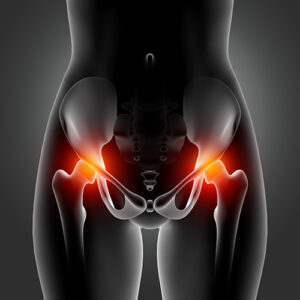 A hip fracture is a condition where the bone at the upper part of the thigh, near the hip joint, cracks or breaks. Common signs include:
- Severe pain in the hip or groin
- Inability to stand or walk
- The leg appears shorter or turned outward
- Pain that becomes worse with movement
Without timely treatment, this injury can quickly lead to serious complications. That is why early assessment and surgery are so important for recovery.
Many of my patients first come to me after a simple fall at home, often while walking to the bathroom or getting out of bed. What seems like a minor incident can lead to a hip fracture, especially in older adults with weaker bones.
A hip fracture is a condition where the bone at the upper part of the thigh, near the hip joint, cracks or breaks. Common signs include:
- Severe pain in the hip or groin
- Inability to stand or walk
- The leg appears shorter or turned outward
- Pain that becomes worse with movement
Without timely treatment, this injury can quickly lead to serious complications. That is why early assessment and surgery are so important for recovery.
Why Hip Fractures Occur
In older adults, hip fractures usually happen because several factors build up over time. From what I see in my patients, the most common risks include:
- Osteoporosis, which weakens the bones and makes them more likely to break even after a minor fall.
- Age-related changes such as slower reflexes, reduced muscle strength, and balance problems that increase the chance of falling.
- Falls at home, often due to slippery floors, poor lighting, uneven surfaces, or difficulty seeing clearly.
- Chronic medical conditions like diabetes, stroke, or memory decline, which affect coordination and mobility.
- Postmenopausal bone loss in women, making fractures far more common in older females.
Available Treatment Options
When an elderly patient has a hip fracture, receiving treatment as early as possible is important to support recovery and reduce risks linked to prolonged immobility.
For Indonesian families considering treatment in Singapore soon after a hip fracture, travel can be possible if the patient is medically stable and the fracture is properly immobilised. This is usually arranged through a medically supported transfer, such as a commercial flight with stretcher arrangements or an air-ambulance service. The goal is to keep the hip from moving too much, manage pain, and reduce risks during the journey.
Before flying, the patient must be assessed by a doctor to confirm it is safe to travel. If approved, the patient typically needs to fly on a stretcher with the hip fixated, supported by pain control and appropriate medical supervision.
Once the fracture is confirmed, an orthopaedic assessment should be arranged without unnecessary delay so the most appropriate treatment plan can be decided based on the patient’s condition and overall health.
- Internal fixation, where I use screws, plates, or rods to stabilize the bone—usually for fractures that are not badly displaced.
- Hemiarthroplasty, a partial hip replacement that replaces the damaged femoral head and allows faster, safer mobilisation.
- Total hip replacement, recommended for certain fractures to improve long-term mobility and comfort.
- Non-surgical care, reserved only for patients who are too medically fragile for an operation.
My goal is to recommend the treatment option that best supports early mobilisation and helps reduce the risk of complications, based on each patient’s condition.
When Surgery Is Needed
For elderly patients, surgery should be considered as soon as a hip fracture is confirmed. In my practice, I generally recommend surgery within 24 to 48 hours where medically appropriate, as early treatment can help reduce complications and support better recovery. Surgery becomes especially important when:
- The patient cannot stand or walk due to pain.
- Imaging shows a displaced or unstable fracture.
- Non-surgical options are unlikely to restore mobility.
- Delays may increase the risk of blood clots, pneumonia, or long-term disability.
I always guide families through these decisions, making sure they understand the option that best supports early mobilisation and recovery.
Surgical Care Overview
When I treat a hip fracture, my first priority is to stabilise the injury so you can move safely again and avoid problems from staying in bed too long. Depending on the type and location of the fracture, I may fix the bone using screws, plates, or a metal rod, or replace the damaged part of the hip with an artificial joint. The operation is done under anesthesia, and my team monitors your heart, breathing, and comfort throughout. After surgery, we focus on getting you sitting up and starting gentle movement early, because this supports healing and reduces complications.
Families often ask about flying. In general, travelling with an untreated hip fracture is not recommended, as long flights can worsen pain, swelling, and blood-clot risk. After surgery, when you can fly depends on your overall health, wound healing, and whether you can sit comfortably and move your legs safely during the trip. Many older patients stay long enough to complete early rehabilitation and ensure they are stable before travelling. I will guide your family on a practical stay and travel plan based on your progress.
Recovery and Rehabilitation
After your surgery, we’ll work together to help you regain strength and confidence. You’ll start moving early—often sitting up or standing with assistance within the first day. This reduces complications and speeds up healing. Your physiotherapy sessions will focus on gentle exercises to improve balance, mobility, and daily activities at a pace that feels safe for you.
I’ll also guide you on preventing future falls, managing osteoporosis, and maintaining good nutrition to support bone healing. With the right care plan, you can expect steady progress and a return to your usual routines over time.
Timely surgery for hip fractures may offer potential benefits, such as;
- Quicker pain improvement
- Earlier sitting, standing, and walking
- Lower risk of complications such as pneumonia or bedsores
- Better long-term mobility and independence
For many older adults, early surgery gives the best chance of returning to their daily routines, especially when combined with physiotherapy and ongoing medical care.
About Dr Yong Ren
Dr Yong Ren is an orthopaedic surgeon with international training in minimally invasive fracture, pelvic, hip, knee and spinal surgery. He has completed advanced training in Switzerland and has previously led the orthopaedic trauma team at Khoo Teck Puat Hospital in Singapore.
His clinical practice includes the management of hip fractures and other trauma conditions. The clinic provides Bahasa Indonesia-speaking staff who can assist Indonesian patients with appointment scheduling, hospital arrangements and general enquiries.