

Tired of Knee Pain?
Are you struggling with persistent knee pain that limits your mobility? This article explains cartilage damage and how joint-preserving options such as Bone Marrow Aspirate Concentrate (BMAC) may help.
Author:
Dr Yong Ren is a Singapore-based orthopaedic surgeon practising at The Orthopaedic and Pain Practice, with clinics at Gleneagles Medical Centre and Mount Elizabeth Novena Specialist Centre.
Table of Contents
What Causes the Problem
Knee pain from cartilage damage can make simple activities like walking or climbing stairs feel difficult. When left untreated, it can progress into osteoarthritis, a condition that affects millions across Asia, including many Indonesians. In fact, studies show that around 15% of adults in Indonesia’s urban areas experience knee osteoarthritis
As an orthopaedic surgeon, I often meet patients who feel they’re too young for knee replacement but too limited by pain to stay active. The good news is, developments in regenerative medicine particularly Bone Marrow Aspirate Concentrate (BMAC) therapy may help support cartilage healing and joint function in selected cases.
What’s Really Happening in Your Knee
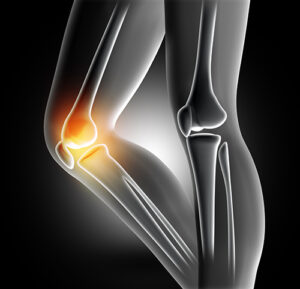
Let’s imagine this: a patient in their late 40s who enjoys morning walks begins to notice a dull ache in the knee. Over time, the pain worsens, especially when climbing stairs or standing up after sitting for long periods.
This is often how cartilage damage begins. Cartilage is the smooth, flexible tissue that cushions the ends of bones and allows easy joint movement. When it wears down due to age, injury, or repetitive stress, bones start to rub against each other, causing pain, stiffness, and swelling. If left untreated, this can lead to osteoarthritis, a chronic condition that affects mobility and quality of life.
Let’s imagine this: a patient in their late 40s who enjoys morning walks begins to notice a dull ache in the knee. Over time, the pain worsens, especially when climbing stairs or standing up after sitting for long periods.
This is often how cartilage damage begins. Cartilage is the smooth, flexible tissue that cushions the ends of bones and allows easy joint movement. When it wears down due to age, injury, or repetitive stress, bones start to rub against each other, causing pain, stiffness, and swelling. If left untreated, this can lead to osteoarthritis, a chronic condition that affects mobility and quality of life.
Why Cartilage Gets Damaged
Cartilage damage can develop gradually due to various factors. Understanding these causes helps you take the right steps early and choose treatments that preserve your joint health.
- Aging
Over time, cartilage loses its ability to heal, becoming thinner and more fragile.
- Obesity
Excess body weight increases pressure on the knees and triggers inflammation that breaks down cartilage.
- Previous Injuries
Past knee injuries or repetitive strain from sports can disrupt joint movement and accelerate wear.
- High-Impact Activities
Running or jumping without proper rest or conditioning can cause micro-damage to cartilage.
- Inactivity
Limited movement reduces joint lubrication and weakens cartilage over time.
- Hormonal Factors
Women, especially after menopause, are more prone to cartilage deterioration due to hormonal changes.
Understanding these risks allows us to intervene early often with joint-preserving treatments like BMAC therapy, before more serious damage occurs.
How BMAC Differs from Surgery
Many people with knee pain worry that surgery is their only option. This is a very common feeling surgery sounds painful, risky, and may require a long recovery.
But not all knee problems need an operation. For the right patient, BMAC can be a non-surgical option that helps manage symptoms and support the knee before considering bigger procedures like knee replacement.
BMAC focuses on preserving your natural joint, not replacing it. Instead of removing tissue or inserting implants, this approach aims to support your knee’s ability to repair itself.
Because it does not involve major surgery, many patients find BMAC easier to accept. It can be a helpful step for people who:
- want to avoid or delay surgery,
- are still active or relatively young, or
- want a treatment option that feels less invasive.
Whether BMAC is suitable depends on your scans and clinical assessment, but for many patients, it offers a gentler option before moving toward surgery.
Is BMAC Right for You?
In many cases, early intervention with regenerative treatment like BMAC therapy can make a big difference. I usually recommend considering BMAC when:
- Pain or stiffness persists despite physiotherapy, medication, or lifestyle changes.
- Cartilage damage is visible on MRI but hasn’t yet progressed to severe osteoarthritis.
- You’re too young or active to consider total knee replacement but want a long-term solution.
- Previous injections or conservative treatments haven’t provided lasting relief.
- You want to preserve your natural joint, avoiding the risks and recovery time of major surgery.
By treating cartilage damage early, we can often delay or prevent the need for knee replacement and help you stay active with your own healthy joint for many more years.
How BMAC Works
BMAC therapy is a minimally invasive, one-day procedure that uses your body’s own healing potential to repair damaged cartilage. The process begins by taking a small amount of bone marrow, usually from the back of your hip bone. This bone marrow is then processed to concentrate the stem cells and growth factors responsible for tissue repair.
Once prepared, the concentrated solution is injected directly into the affected knee under precise image guidance. The concentrate contains cells and growth factors that are being studied for their role in tissue repair.
Most patients appreciate that the entire procedure is done on an outpatient basis meaning no hospital stay is required. Afterward, you may experience mild soreness for a few days, but recovery may be shorter than with some surgical options, depending on the individual.
The main benefits of BMAC therapy include:
- Uses a patient’s own bone marrow concentrate under image guidance
- Considered for selected cartilage injuries/early degenerative changes after clinical assessment and imaging.
- Potential aims include symptom relief and supporting joint function; individual outcomes vary.
By enhancing the body’s own ability to heal, BMAC offers a joint-preserving alternative that aims to help patients resume daily activities; results vary by individual.
Recovery Made Simple
After BMAC therapy, recovery is gradual but steady. Because this treatment activates your body’s natural healing process, it’s important to give your joint the right conditions to repair and strengthen.
In the first few days, mild swelling or soreness at the injection site is common. I usually advise patients to avoid anti-inflammatory medications, as they can interfere with the healing process triggered by BMAC.
By the first week, we begin gentle physiotherapy to restore joint movement and muscle strength. This phase focuses on low-impact exercises such as stretching or light cycling.
Over the next few months, patients are encouraged to:
- Avoid high-impact activities like running or jumping until full recovery.
- Stay consistent with guided rehabilitation to support cartilage regrowth and joint stability.
- Attend follow-up appointments so we can track progress through physical exams or imaging.
Rehabilitation plans and timelines vary. Your care team will tailor physiotherapy and follow-up. By following this structured recovery plan, many achieve long-lasting pain relief and avoid the need for knee replacement altogether
Meet Dr Yong Ren
Dr Yong Ren is an internationally trained orthopaedic surgeon specializing in minimally invasive fracture, pelvic, hip, knee, and spinal surgery. With advanced training in Switzerland and previously led the orthopaedic trauma team at Khoo Teck Puat Hospital, he is experienced in fracture, pelvic, hip, knee, and spinal surgery.
His focus on minimally invasive techniques means less pain and shorter stays compared with some procedures. Whether it’s seniors seeking relief from chronic knee pain or active individuals wanting to return to sports or work, his treatments are tailored to restore mobility and improve quality of life.
Beyond his surgical expertise, Dr Yong Ren is known for his patient-centered approach and attentiveness. Bahasa-speaking assistance is available to support Indonesian patients with scheduling and logistics.
FAQs
Cartilage has very limited healing ability because it lacks blood vessels to deliver nutrients. However, certain cartilage cells called chondrocytes can repair minor damage, but complete regeneration rarely happens naturally.
Cartilage heals slowly because it has no blood supply, and its cells don’t regenerate easily. This makes recovery much slower and less complete compared to other tissues in the body.
Cartilage repair can be stimulated by growth factors found in platelet-rich plasma (PRP), such as TGF-β and PDGF. These promote new tissue growth, reduce inflammation, and support joint healing.
Yes. Non-surgical treatments like physical therapy, PRP injections, hyaluronic acid, and stem cell therapy can reduce pain, improve joint function, and encourage natural cartilage regeneration.
Cartilage damage often causes joint pain, swelling, stiffness, and limited movement. In severe cases, cartilage fragments may break off, making the joint feel unstable or locked.
If not treated, cartilage damage can worsen over time, leading to chronic inflammation and osteoarthritis. This may result in long-term pain, stiffness, and reduced mobility.
Gentle exercise like swimming or cycling can support cartilage health by improving joint lubrication and strengthening surrounding muscles, without putting excessive stress on the joints.
Surgery may be needed if the cartilage damage is severe, causes persistent pain, or limits daily activities despite non-surgical treatments like PRP or physiotherapy.
Maintain a healthy weight, exercise regularly, eat a balanced diet, and avoid joint injuries. These habits help protect cartilage and slow down natural wear and tear.
Take the First Step to Healing
Knee pain doesn’t always mean you need a replacement. With BMAC therapy, it’s possible to repair cartilage naturally, reduce pain, and keep your joint healthy.